
How to Choose Paper Weight (GSM) for Packaging
What GSM means
GSM, grams per square meter, measures paper density and thickness. Higher GSM means thicker, stiffer paper. Folding cartons typically use 250-350gsm white cardboard; paper bands use 120-350gsm depending on the product; rigid boxes combine wrapped paperboard with greyboard structures for maximum stiffness.
Matching weight to product
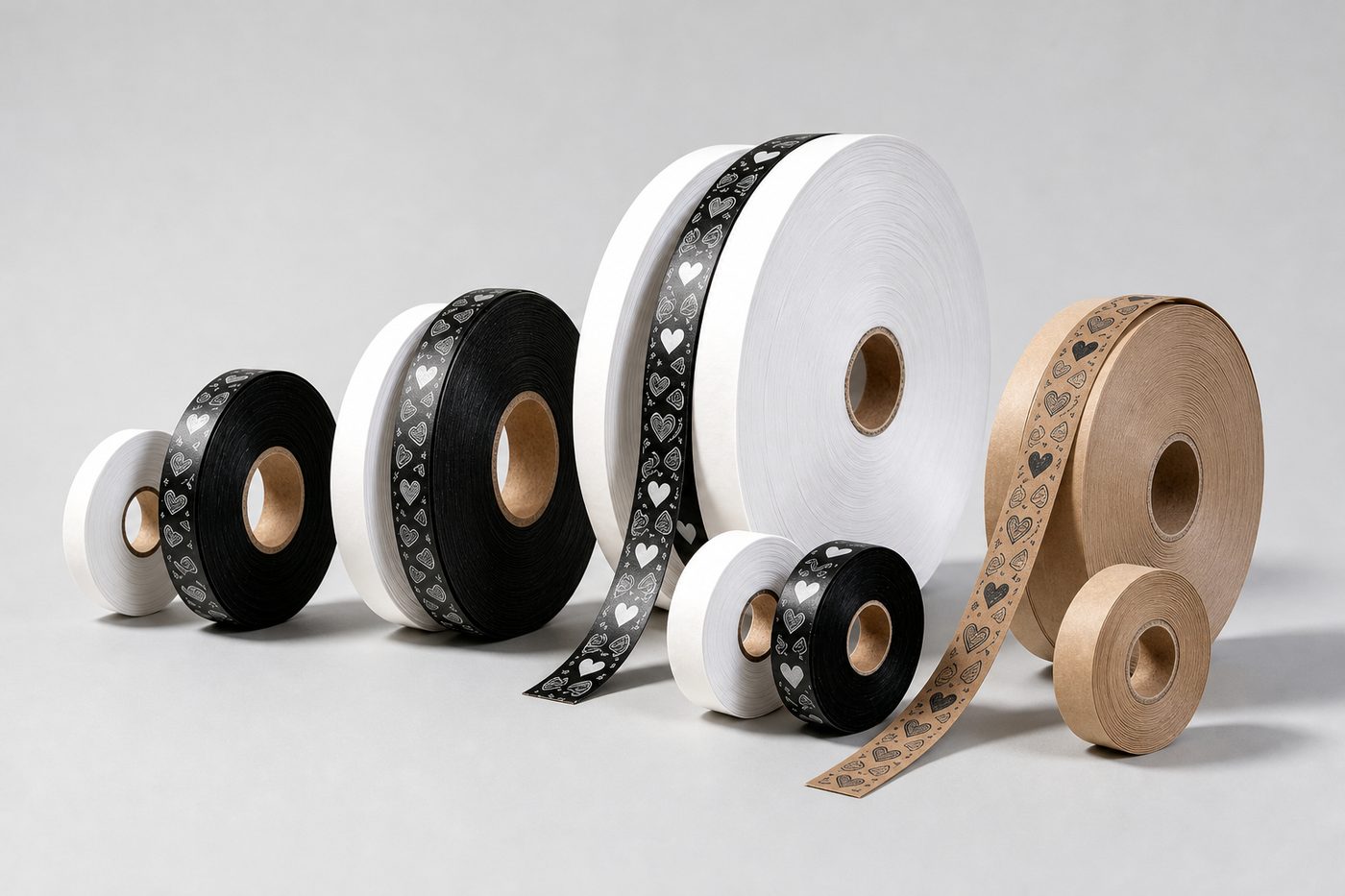
Light retail items such as cosmetics and tea cartons work well at 250-300gsm, giving crisp folds and a premium feel. Heavier products, or boxes that must survive shipping with minimal inserts, move to 300-350gsm or to corrugated board. Paper bands for garments can stay at 150-200gsm; bands bundling heavier goods use 300gsm and above.
Print quality interactions
Heavier paper holds embossing and foil detail better and feels substantial in hand. Very heavy stock on tight folds can crack at creases unless the die-cutting is adjusted. Coatings such as matte lamination add stiffness and scuff resistance, sometimes allowing a slightly lower GSM for the same perceived quality.
Balancing cost and freight
Paper weight drives both material cost and shipping weight. A common optimization is to step down GSM where inserts carry the protection role, and to reserve heavy boards for surfaces customers touch most. Request samples at two weights and compare the difference in hand before committing to a full run.
Work with Yade Printing
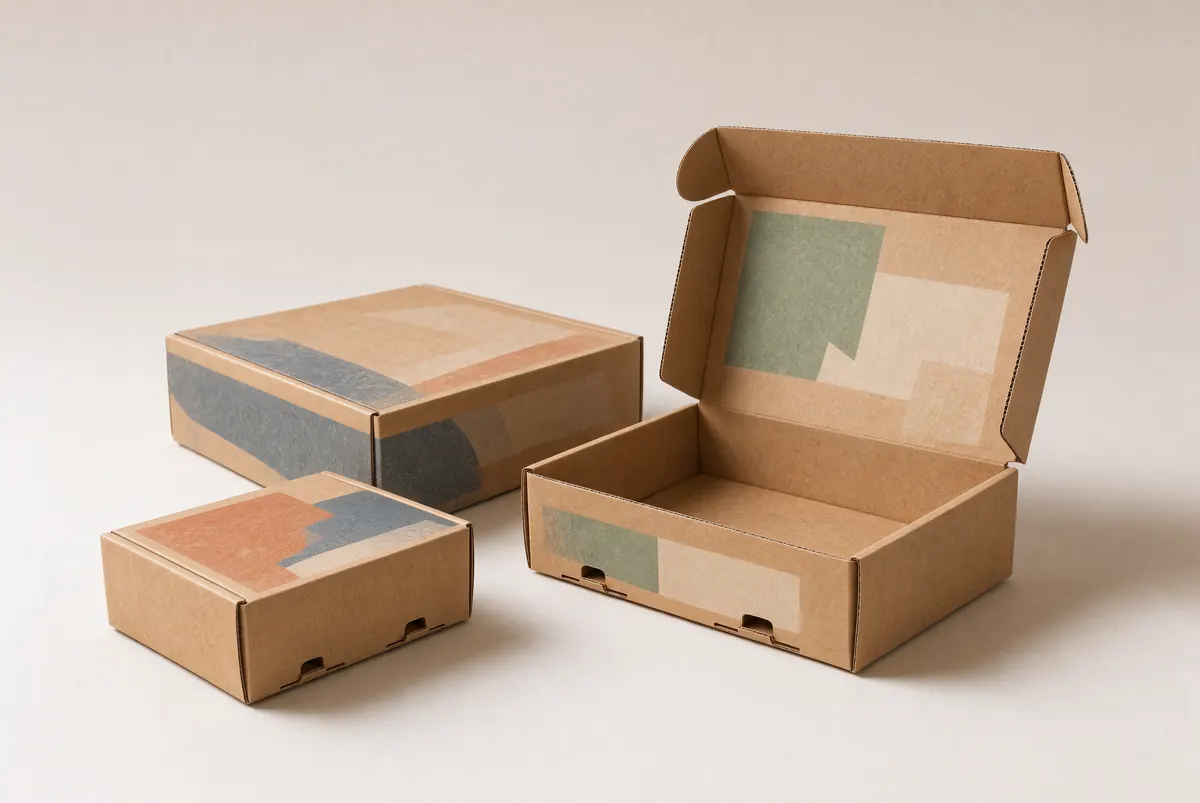
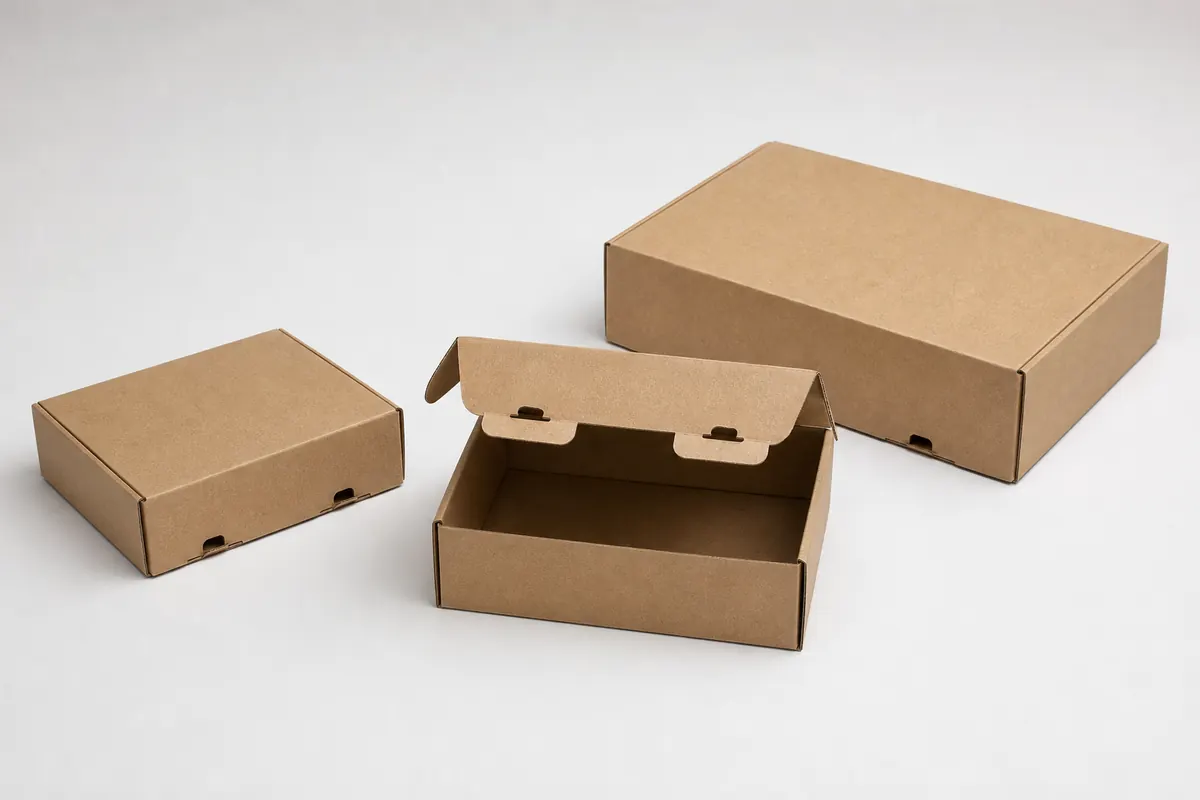
Yade Printing stocks kraft and white paperboard across common GSM ranges and produces sample sets for comparison. Tell us the product and target feel, and we will propose the right weight.
Experience the Print Quality Yourself
Request a free sample kit — feel the board, the finishing, and the print quality before you order.