
How to Measure a Box Correctly for Custom Packaging
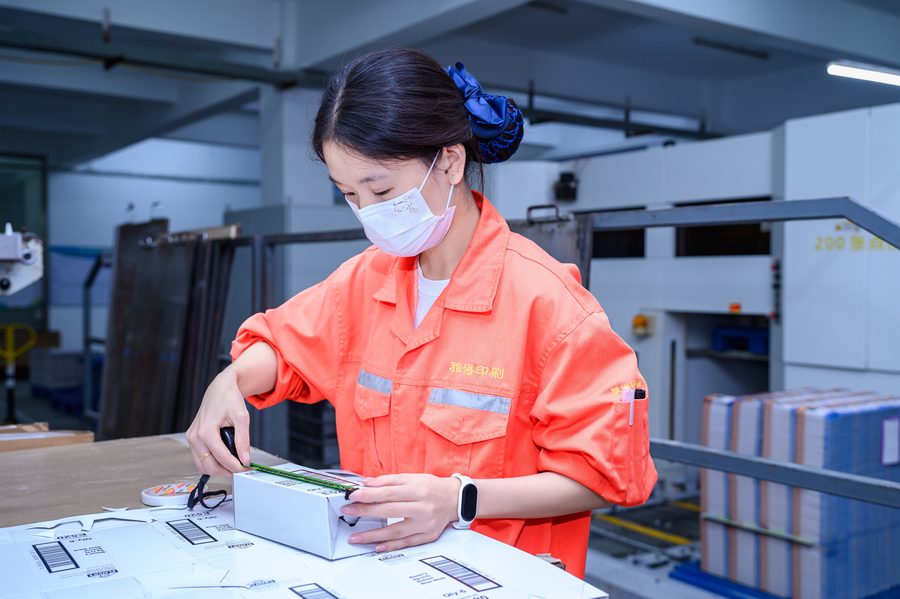
Measure internal, not external
Custom boxes are specified by internal dimensions: Length x Width x Depth (or Height), ordered as L x W x D. Length is the longest side of the opening, width the shorter side, depth the distance from opening to base. External size adds board thickness and affects freight, so always quote internal measurements when asking for a quotation.
Measure the product first
Measure the product at its widest points, including any sleeve, wrap, or insert it will sit in. For irregular shapes, measure three times at different orientations and take the largest value per axis. Add clearance according to product fragility: about 3-5mm for rigid goods and more for items needing cushioning or tissue wrap.
Allowing for board thickness
Board thickness consumes internal space. E-flute takes roughly 1.5mm per wall and B-flute about 3mm. When converting a product size into a box size, add twice the board thickness plus clearance. If a box must slide into an outer carton, subtract board thickness from the outer box internal size.
Tolerances and sample checks
Production tolerances of plus or minus 1-2mm are normal for die-cut boxes. Confirm the fit with a structural sample before mass production: check that the product inserts smoothly, flaps close without force, and stacked cartons align. Re-measure after any artwork change that adds finishes like lamination, which slightly increases thickness.
Work with Yade Printing
Yade Printing provides free structural design support and dieline assistance. Send product dimensions and photos, and our team will return a proposed box size with a sample for approval.
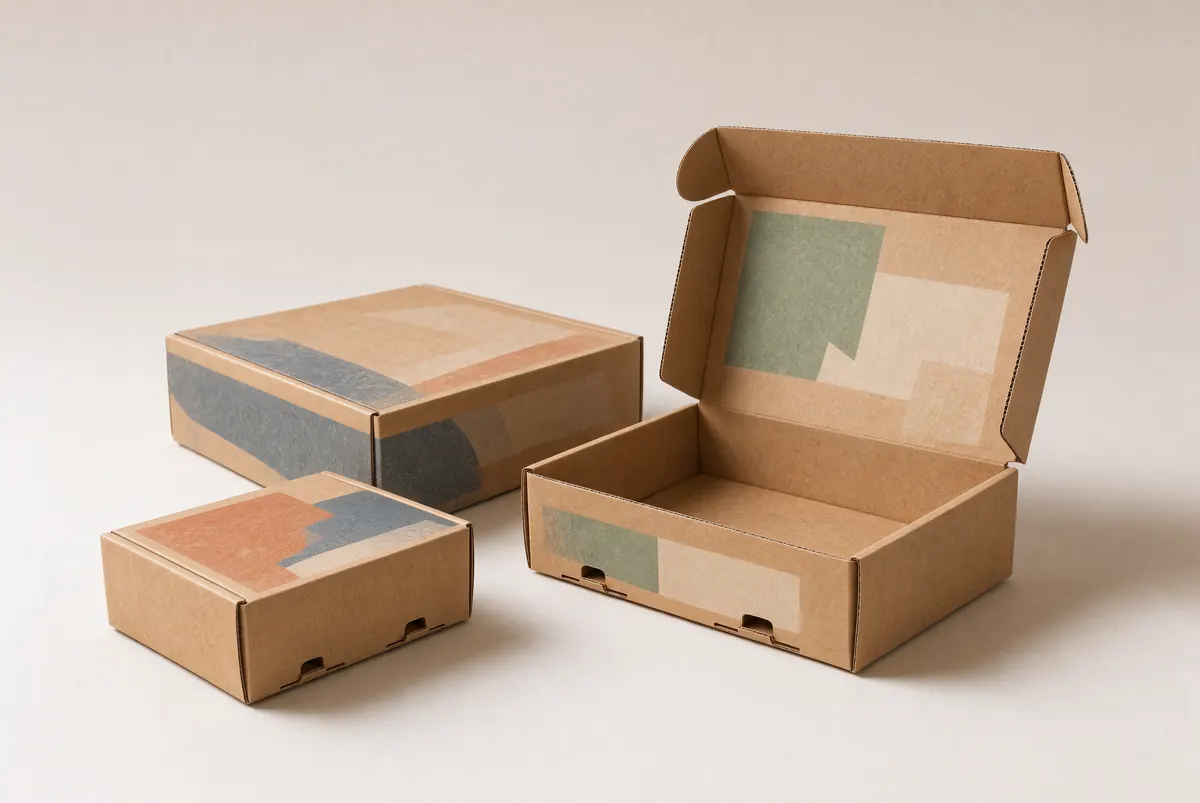
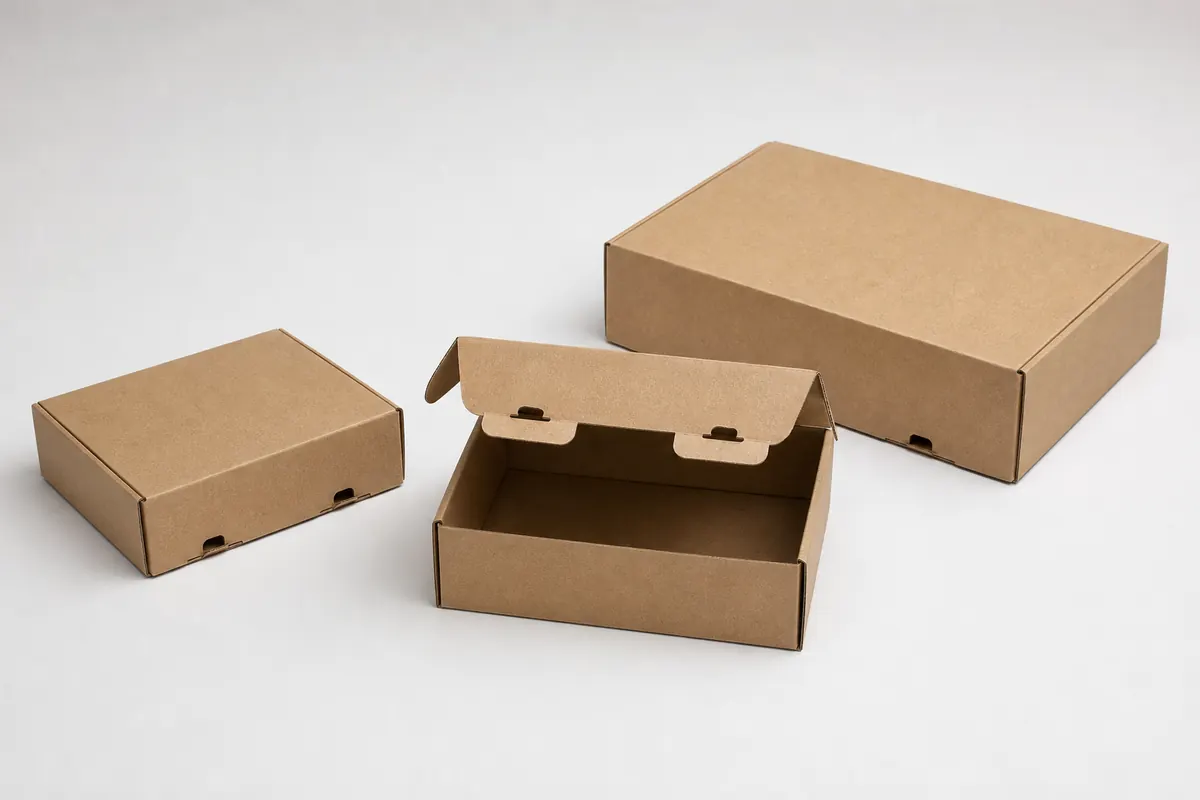
Experience the Print Quality Yourself
Request a free sample kit — feel the board, the finishing, and the print quality before you order.